Computing procurement · 3 min read
GPU server or workstation? Start with the workload
UD Fomra Group ·
Most GPU purchases start with a model name. A better starting point is the work the machine has to do: the size of the models, how many people or services share it, and where it will run. Those answers usually decide between a workstation and a rack server before any GPU is chosen.
What each one is built for
A GPU workstation is a deskside or tower machine for one engineer or a small team. It typically holds one to four professional GPUs, runs from an ordinary office power supply and suits CAD, simulation, visualisation and model development on data that fits in its GPU memory.
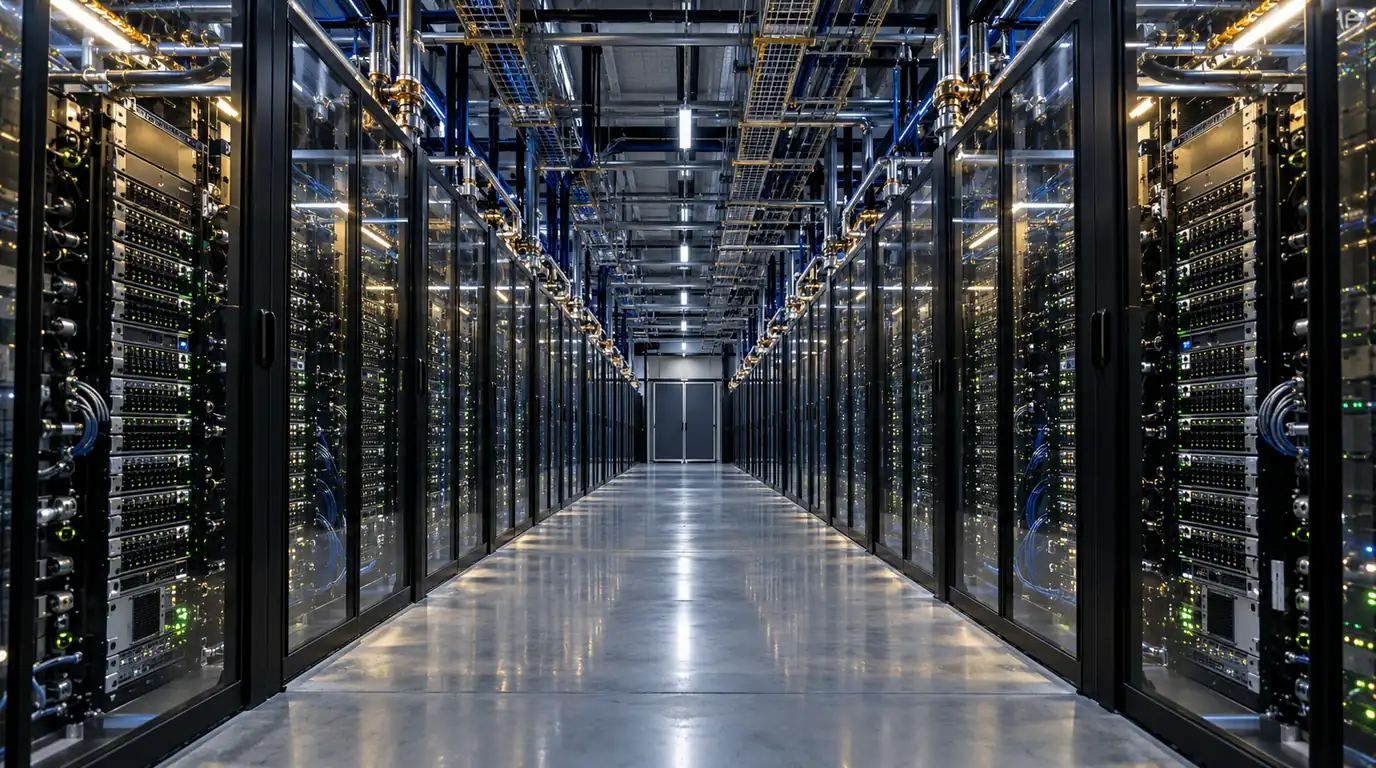
A GPU server is rack-mounted and shared. Systems for AI training and large-scale inference commonly carry four or eight GPUs, draw several kilowatts each and need data-centre power distribution, cooling and high-speed networking. It is built to run jobs for many users or applications, continuously.
Questions that decide the choice
GPU memory is usually the first hard limit. If the model, its working data and the chosen precision do not fit in the memory of the GPUs in one machine, the workload needs more or larger GPUs, and that often points to a server.
Training and inference behave differently. Training a large model is long, heavy and benefits from fast links between GPUs. Inference may run on fewer GPUs per request but has to serve many requests reliably.
- Which software and frameworks will run, and on which operating system
- Model size, precision and the GPU memory it needs
- Training, fine-tuning, inference or visualisation
- How many people or services share the machine
- Where it will sit: office, server room or data centre
Check the site before the specification
A workstation needs a desk and a socket. A GPU server needs rack space, a power feed sized for its full load, cooling that can remove that heat and network ports for storage and users. Confirm these with the facility team early, because they can take longer to arrange than the hardware.
For a data hall, also confirm the rack power budget, power supply redundancy and whether the room can take the heat density of the configuration you are considering.
Sending the enquiry
UD Fomra Group's computing range covers Altos servers, GPU systems and workstations. Share the workload, software, expected users, memory needs and the site's power, cooling and rack details through our enquiry form.
If the workload is still being defined, say so. A short description of the work and where the machine will run is enough to begin, and the configuration can be refined from there.